
Addis Ababa
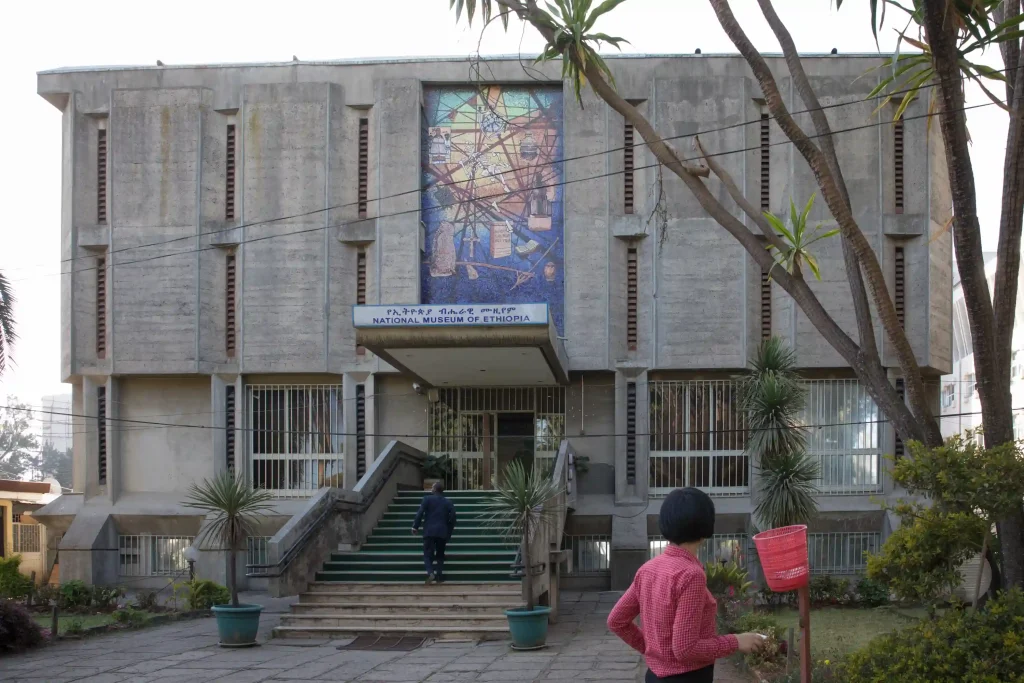
National Museum of Ethiopia
The National Museum of Ethiopia offers a compelling journey through the country’s long and fascinating history. It is internationally recognized as the home of Lucy (locally called Dinknesh), the 3.2-million-year-old fossil that reshaped our understanding of human evolution. Beyond this remarkable exhibit, the museum presents a wide range of collections including ancient tools, archaeological discoveries, royal possessions, and cultural artifacts from Ethiopia’s many ethnic communities. Visitors can also enjoy a diverse art gallery featuring both traditional religious works and modern Ethiopian paintings that reflect contemporary life.
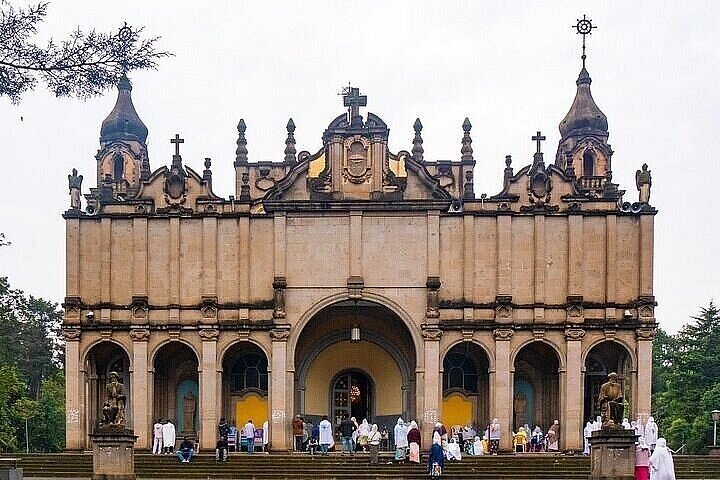
Holy Trinity Cathedral
Holy Trinity Cathedral stands as a significant spiritual and historical monument in Addis Ababa. Built to commemorate Ethiopia’s liberation from Italian occupation, it represents both faith and national pride. The cathedral’s architecture blends local and European influences, highlighted by impressive stained-glass windows illustrating biblical stories and key moments in Ethiopia’s past. It is also the burial site of Emperor Haile Selassie I and Empress Menen Asfaw, attracting visitors interested in both religious heritage and imperial history.
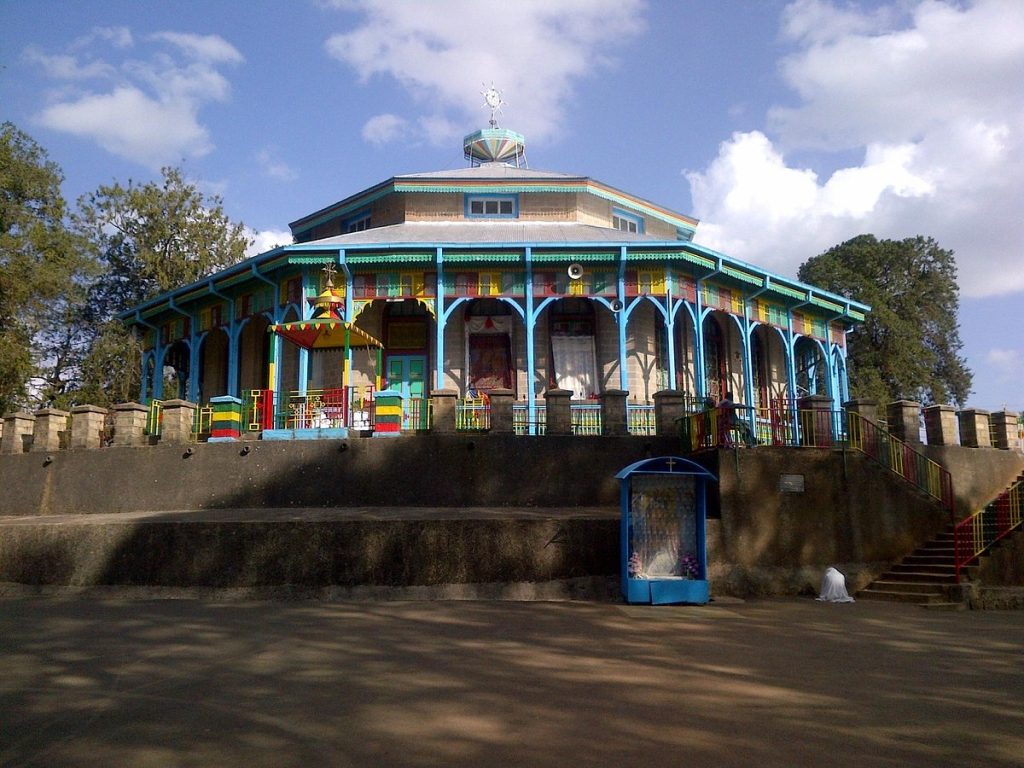
Entoto Hills & Entoto Maryam Church
Overlooking the city, the Entoto Hills provide a refreshing escape with cooler temperatures and panoramic views of Addis Ababa. This area holds historical importance as the original seat of power for Emperor Menelik II before the capital moved to its current location. Visitors can explore Entoto Maryam Church, a site of deep religious value, as well as Menelik II’s former palace, which offers insight into early imperial life. The nearby Entoto Observatory adds a modern dimension, combining science with the area’s historical and cultural significance.
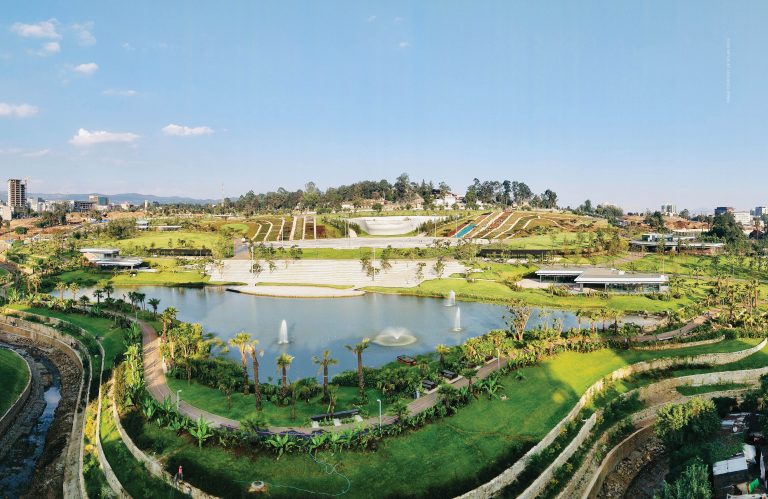
Unity Park
Situated within the grounds of the historic Grand Palace, Unity Park presents Ethiopia’s royal legacy in a modern and engaging setting. The park features restored palace buildings, landscaped gardens, cultural exhibition spaces, and a small zoo. Guests can explore former royal chambers, view historical artifacts, and learn about traditions from different regions of the country. Designed to merge heritage with leisure, Unity Park provides a relaxing and educational experience for visitors of all ages.

Merkato (Addis Mercato)
Merkato is one of the largest open-air markets in Africa and a true reflection of daily life in Addis Ababa. This vast and bustling marketplace is divided into specialized sections offering everything from spices and coffee to textiles, baskets, and electronics. The lively atmosphere, filled with traders and shoppers, creates an unforgettable sensory experience. Visiting Merkato is an opportunity to witness the energy, diversity, and entrepreneurial spirit of the city firsthand.
St. George Cathedral
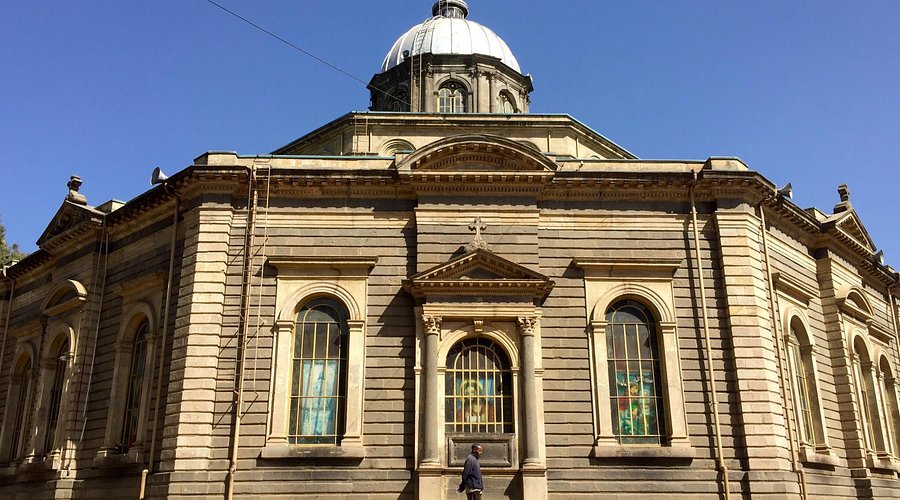
St. George Cathedral is a historic landmark built to celebrate Ethiopia’s victory at the Battle of Adwa in 1896. Its distinctive octagonal design and dedication to Saint George make it a unique religious site. Inside, visitors will find vibrant artwork, detailed murals, and a museum that houses religious manuscripts, ceremonial items, and historical relics connected to the Ethiopian Orthodox Church. The cathedral remains an important symbol of national pride and faith.
Ethnological Museum (Institute of Ethiopian Studies)
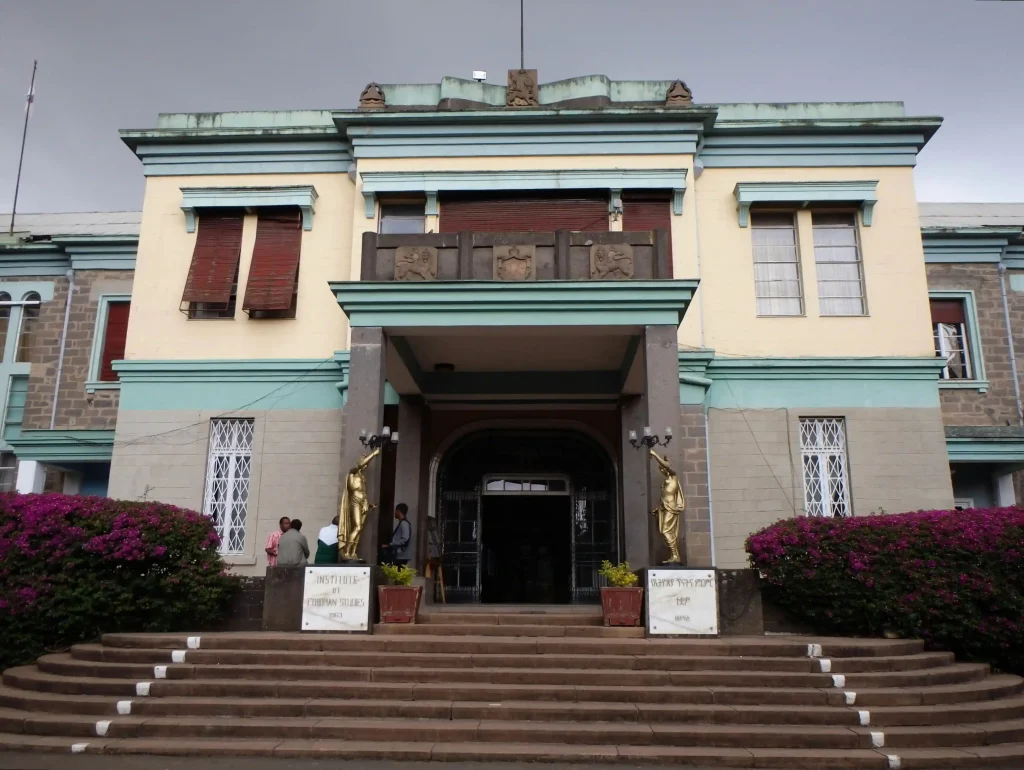
Housed within the former palace of Emperor Haile Selassie at Addis Ababa University, the Ethnological Museum provides an in-depth look at Ethiopia’s cultural diversity. Exhibits highlight traditional ways of life, including clothing, tools, music, and belief systems from various ethnic groups. A particularly notable feature is the preserved living quarters of Emperor Haile Selassie, offering a personal glimpse into his life. The museum’s calm and scenic surroundings enhance the overall visitor experience.
Red Terror Martyrs Memorial Museum
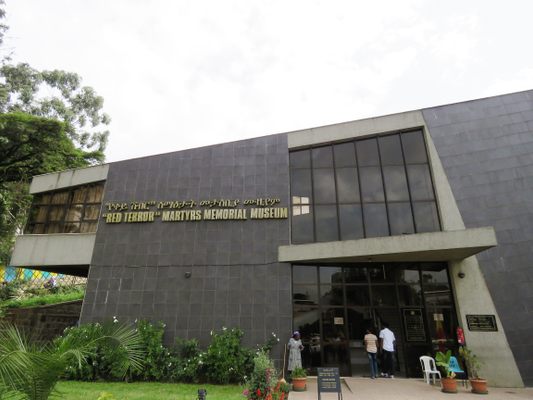
This museum serves as a powerful tribute to those who lost their lives during the Red Terror period. Through photographs, documents, and personal accounts, it presents a detailed record of the events and their impact on Ethiopian society. Although the subject matter is heavy, the museum plays an essential role in preserving memory and educating visitors about this chapter of the nation’s history.
Shiro Meda Market
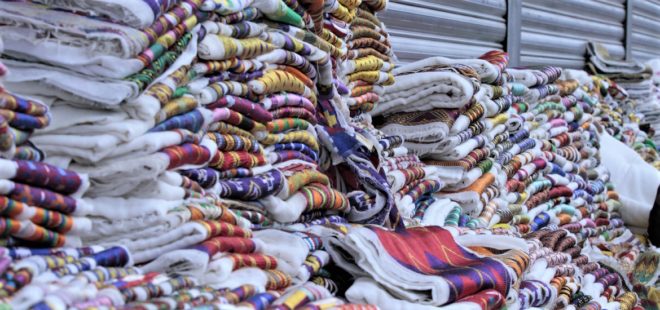
Shiro Meda is a vibrant destination for traditional Ethiopian fashion and craftsmanship. Known for its beautifully woven fabrics, the market offers a wide selection of garments such as habesha kemis, scarves, and shawls. Visitors can observe artisans creating textiles by hand and browse a variety of locally made accessories and souvenirs. It is an ideal place to experience authentic culture and purchase unique handmade items.