Omo Tribes

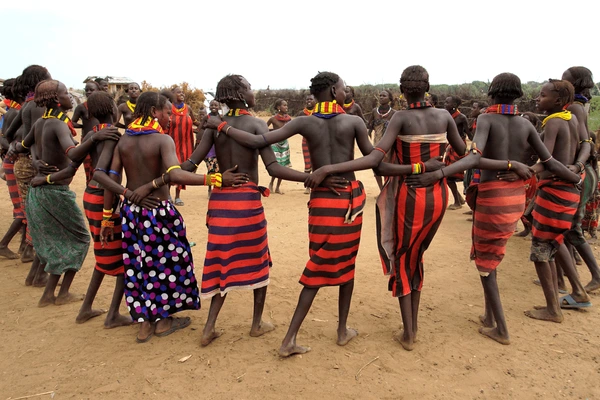
The Hamar: Masters of Ritual

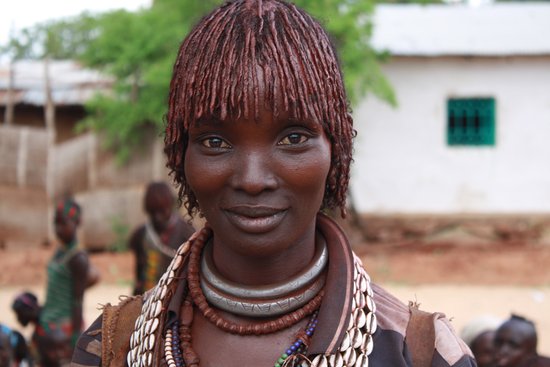
Residing in the heart of the South Omo, the Hamar are the architects of the valley’s most famous rite of passage: the Bull Jumping ceremony. Known for their striking beauty, Hamar women adorn themselves in cowrie-shell cowhide skirts and style their hair into deep-copper ringlets using a blend of ochre and resin. A visit to a Hamar village offers a glimpse into a world where communal bond and rhythmic dance define the soul of the people.

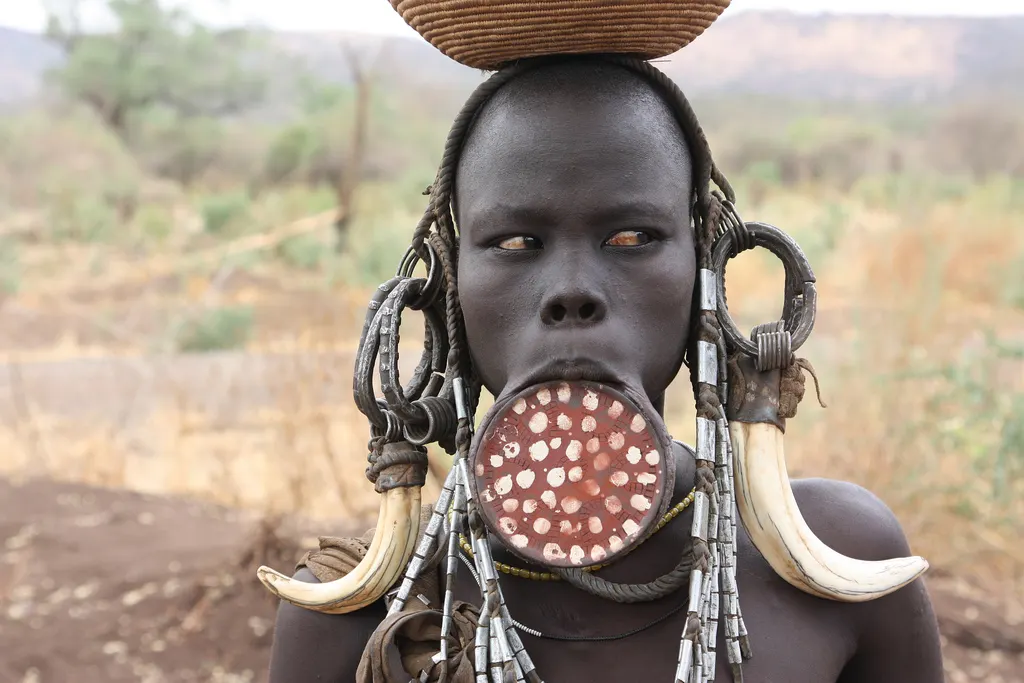
The Mursi: The Living Gallery

The Mursi are perhaps the most visually iconic ethnic group in Africa. Inhabiting the rugged plains of Mago National Park, they are renowned for the clay lip plates worn by women—a powerful symbol of identity and social maturity. Beyond the aesthetic, the Mursi are a resilient pastoralist society with a complex warrior culture and a deep-rooted connection to their ancestral lands.

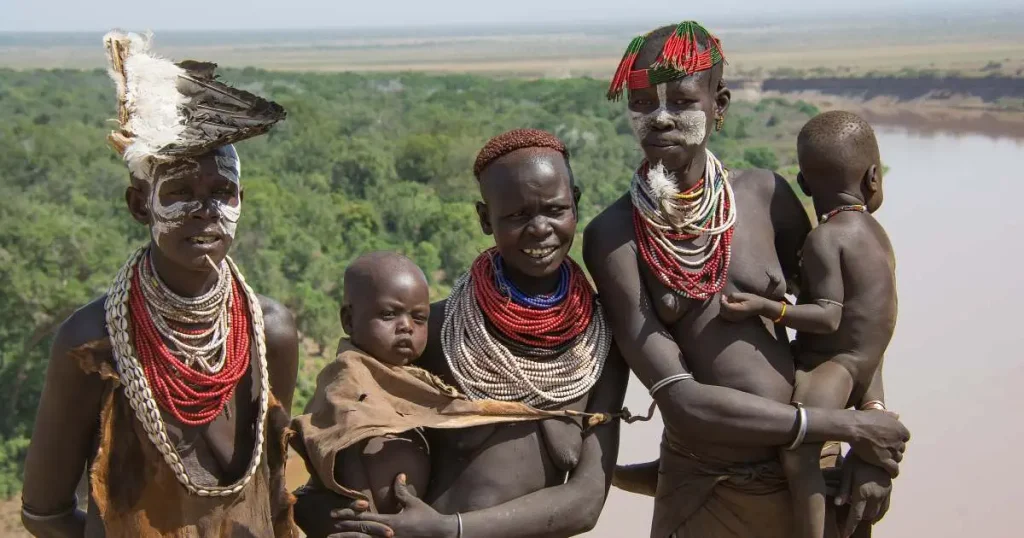
The Karo: Artists of the Omo

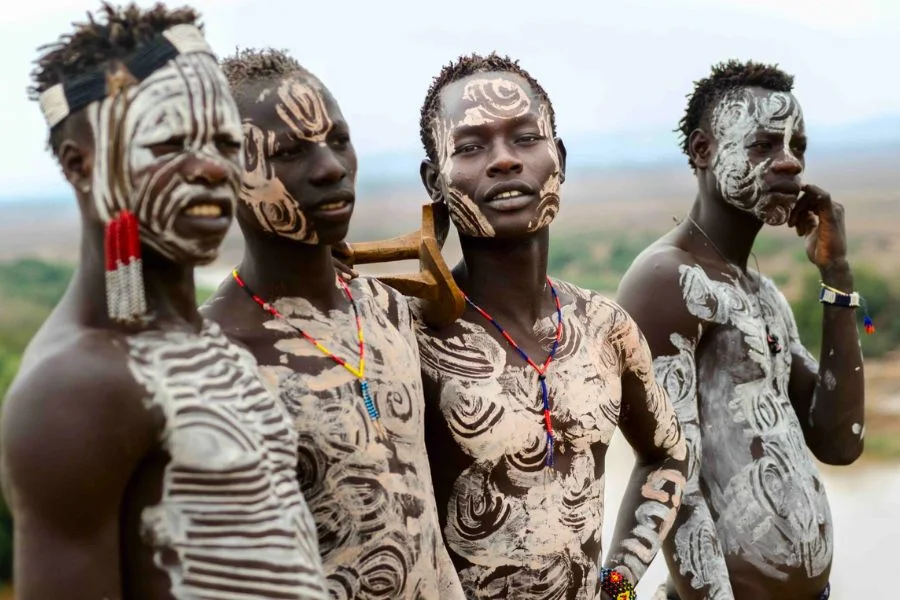
Perched on the dramatic cliffs overlooking the Omo River, the Karo are masters of body art. Using white chalk and red ochre, they transform their skin into a canvas of intricate geometric patterns. As one of the smallest ethnic groups in the region, the Karo offer travelers a more intimate and artistic cultural encounter, centered around their beautiful riverside villages.

The Dassanech: People of the Delta

Living at the southern edge of Ethiopia where the Omo River meets Lake Turkana, the Dassanech are a resilient people of the delta. They are famous for their ingenious use of recycled materials turning watch straps and bottle caps into elaborate headpieces. Crossing the Omo in a traditional dugout canoe to reach their villages is a highlight of any southern expeditiion

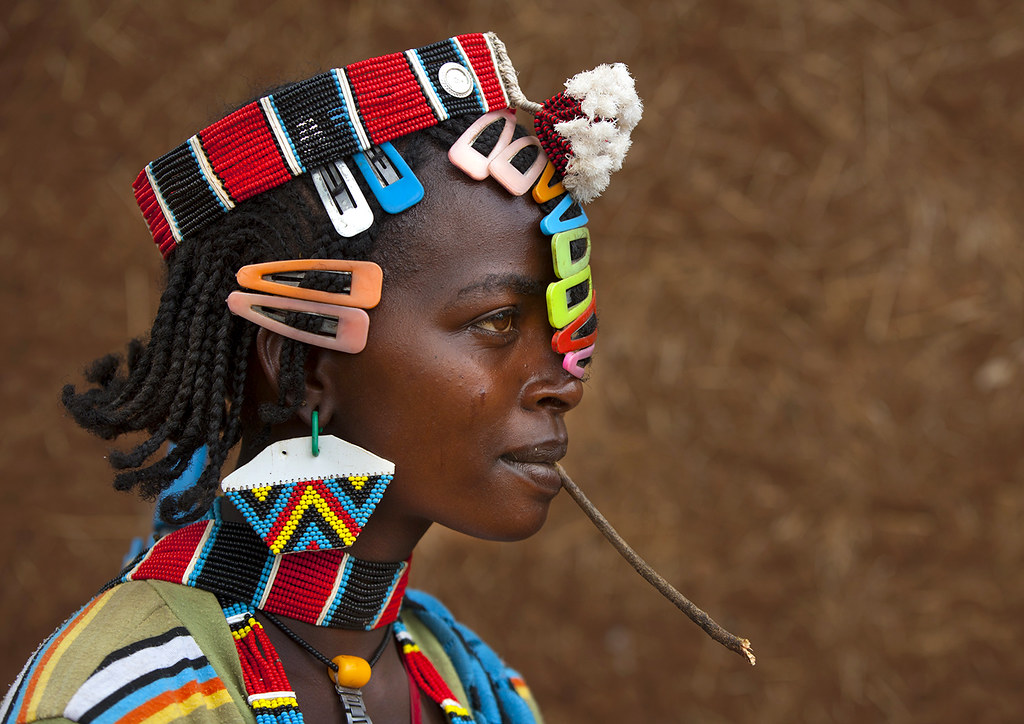
The Banna: Highland Neighbors

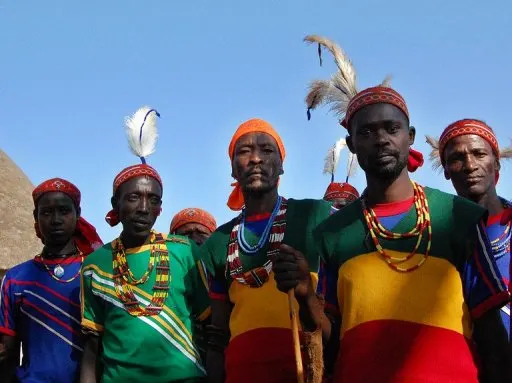
Closely related to the Hamar but with their own distinct flair, the Banna are semi-nomadic highlanders. They are often found at the vibrant regional markets of Key Afer, where they trade honey and beads. The Banna are known for their walking stilts used by young men to guard cattle and their colorful, beaded attire.

The Arbore: The Spiritual Bridge

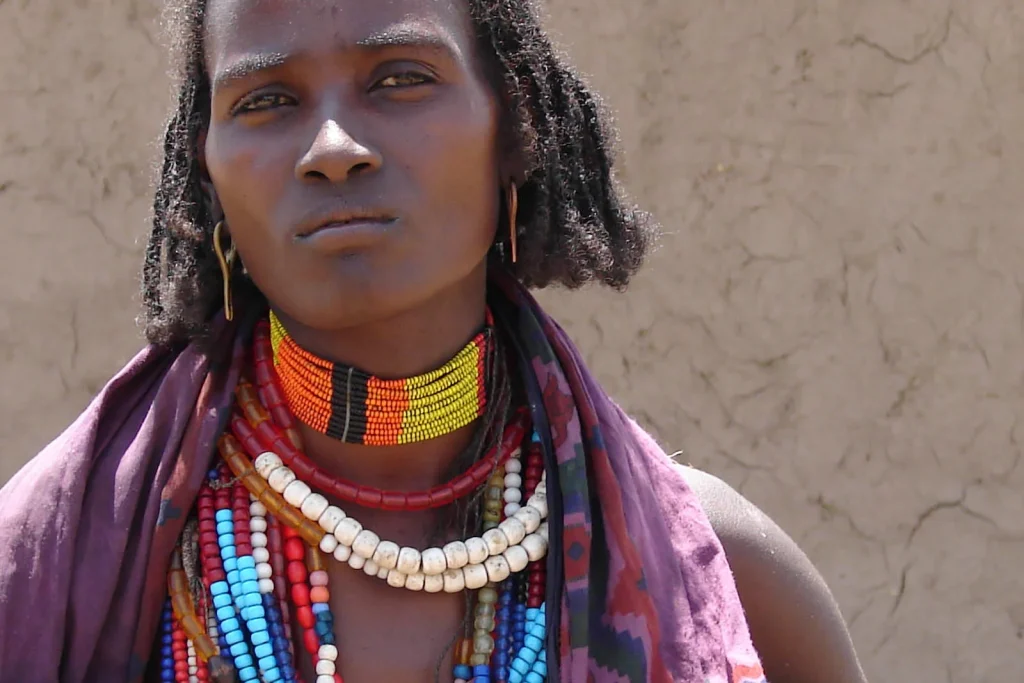
The Arbore serve as a vital cultural and linguistic bridge between the various tribes of the Omo. They are known for their high-status jewelry and the long, dark veils worn by women to protect them from the sun. A visit to Arbore is a journey into a quiet, spiritual community that prides itself on its role as a peaceful mediator in the region.

The Dorze: Architects of the Clouds

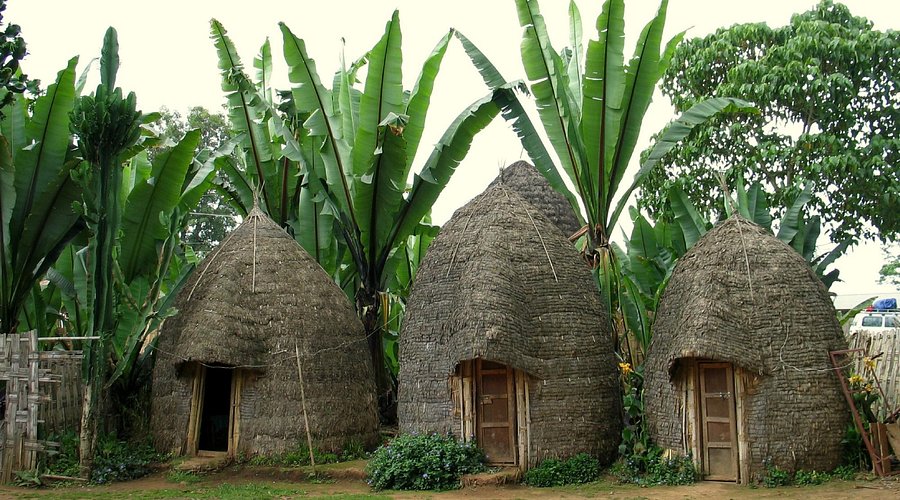
High in the Guge Mountains above Arba Minch, the Dorze live in extraordinary beehive-shaped bamboo houses that can reach 12 meters in height. Renowned as Ethiopia’s finest weavers, they produce the famous Shamma cloth. A visit here includes tasting Kocho (bread made from the False Banana tree) and experiencing their high-energy communal dances.

The Konso: The Stone Terracers

A UNESCO World Heritage society, the Konso are world-famous for their ancient stone-walled terraces. This "living cultural landscape" is a testament to 900 years of indigenous engineering. Look for the Waka—carved wooden statues erected in honor of brave warriors—which stand as silent guardians of Konso history.

The Tsemay: The Color of the Weyto

Residing in the fertile Weyto Valley, the Tsemay are recognized by their colorful beaded jewelry and distinctive leather clothing. They are an adaptable people, blending pastoralism with agriculture. Their weekly markets are a kaleidoscope of color, offering one of the most authentic trading experiences in Southern Ethiopia.

The Surma (Suri): The Fierce & The Beautiful

In the far west, near the border of South Sudan, the Surma live in magnificent isolation. They are famous for Donga stick fighting, a high-stakes traditional sport, and for the elaborate flower-and-paint body decorations used by their youth. To visit the Surma is to step into one of the most authentic and untouched corners of the African continent.

The Bodi: The Season of Fat

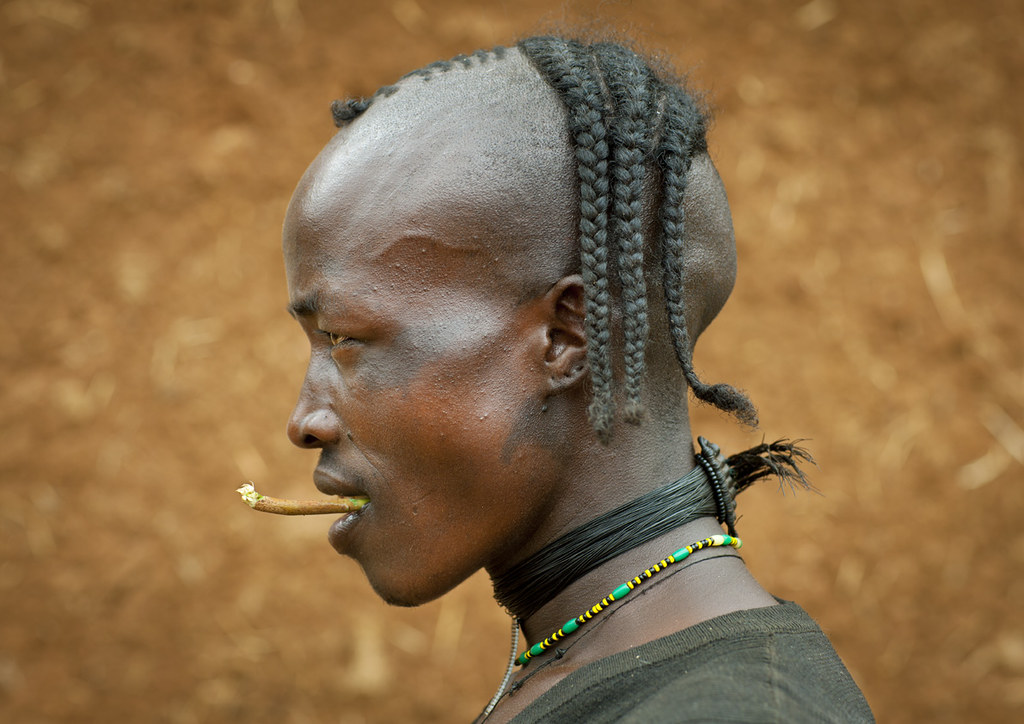
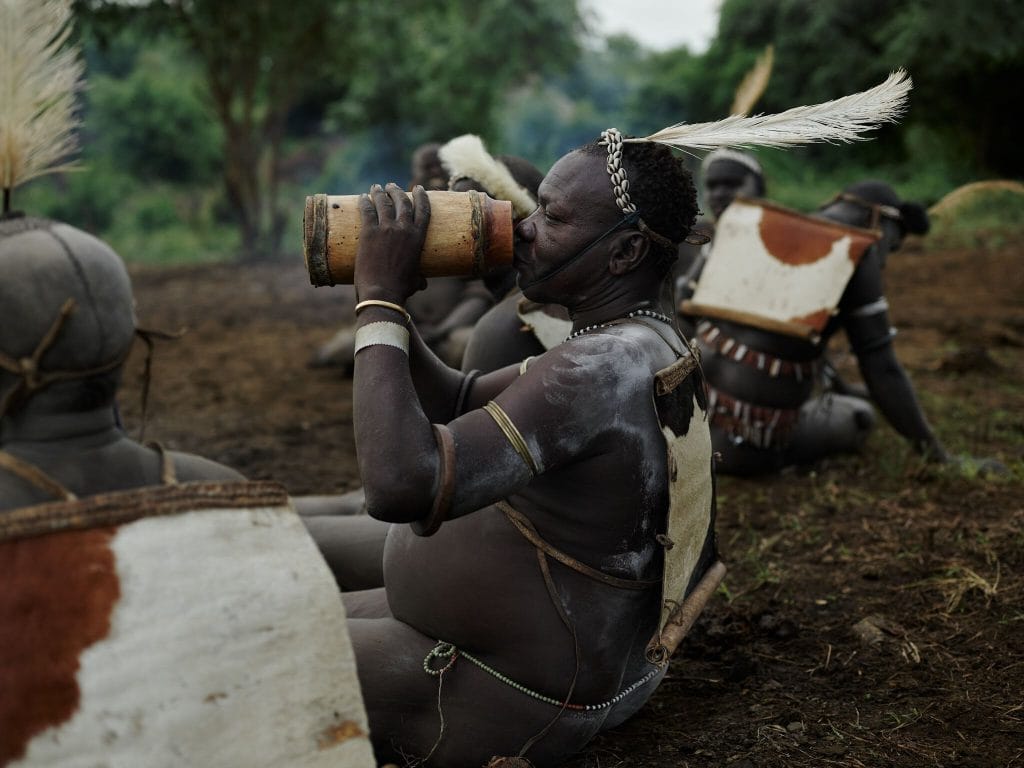
Deep in the remote Omo wilderness, the Bodi maintain the unique Ka’el ceremony. In this ritual, men compete to gain weight by consuming a diet of milk and blood, with the "fattest man" being honored for the year. It is one of the most secluded and authentic cultural events in the country.