Historical Attractions

Lalibela: The Eighth Wonder

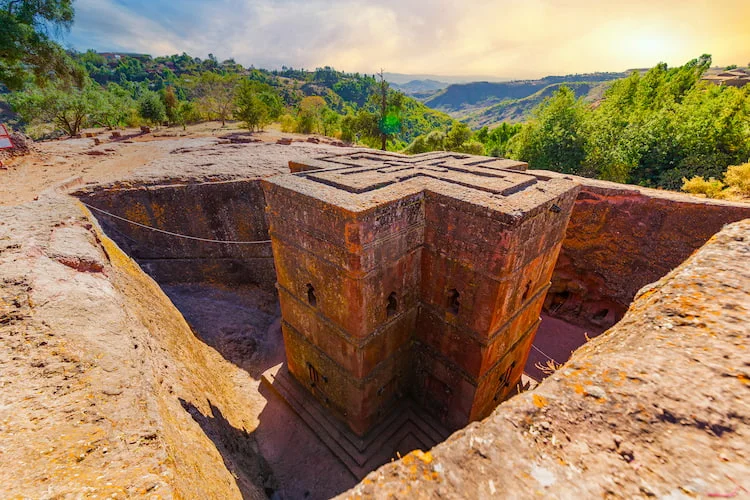
A masterpiece of faith and human ingenuity, Lalibela is the spiritual soul of Ethiopia. In the 12th century, King Lalibela commissioned the carving of eleven medieval churches directly into the red volcanic rock, creating a symbolic "New Jerusalem" on African soil. These UNESCO-listed monolithic marvels, connected by a clandestine network of tunnels and trenches, remain active places of worship today. To stand before the cross-shaped Biete Giyorgis is to witness the "Eighth Wonder of the World"—a rare fusion of living heritage and architectural genius.

Axum: The Birthplace of Legend

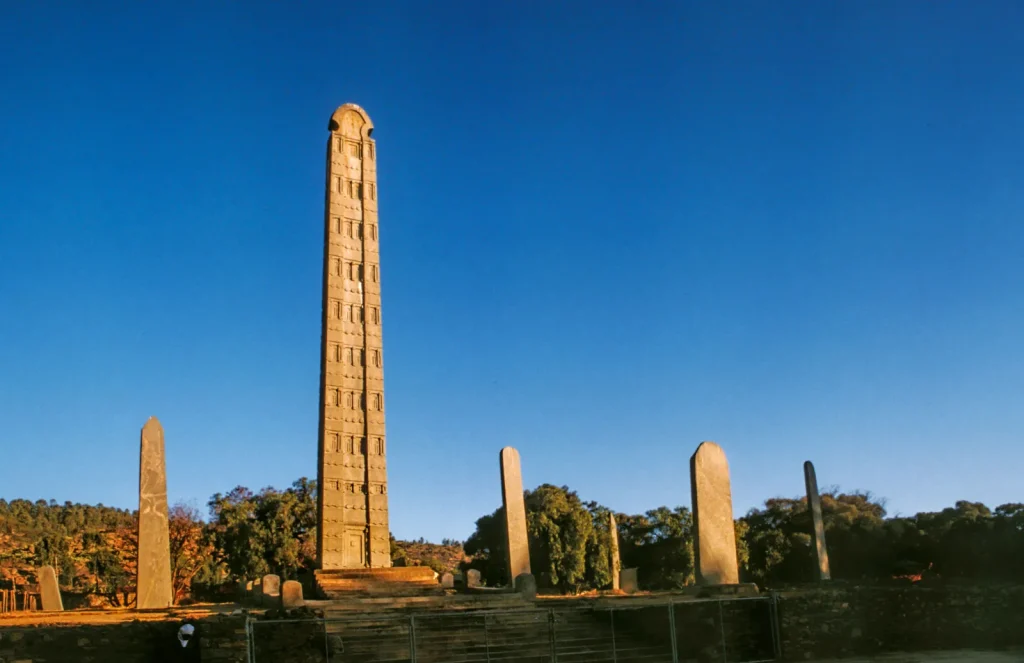
Axum was once the heartbeat of the mighty Axumite Empire, one of the four greatest powers of the ancient world. Today, it stands as a treasure trove of mystery and majesty. Wander among the towering Northern Stelae (obelisks) and explore the royal tombs of kings who traded from Rome to India. According to sacred tradition, Axum is the final resting place of the Ark of the Covenant, sheltered within the Church of St. Mary of Zion. It is the root from which Ethiopia’s identity, religion, and imperial legacy grew.

Gondar: The Camelot of Africa

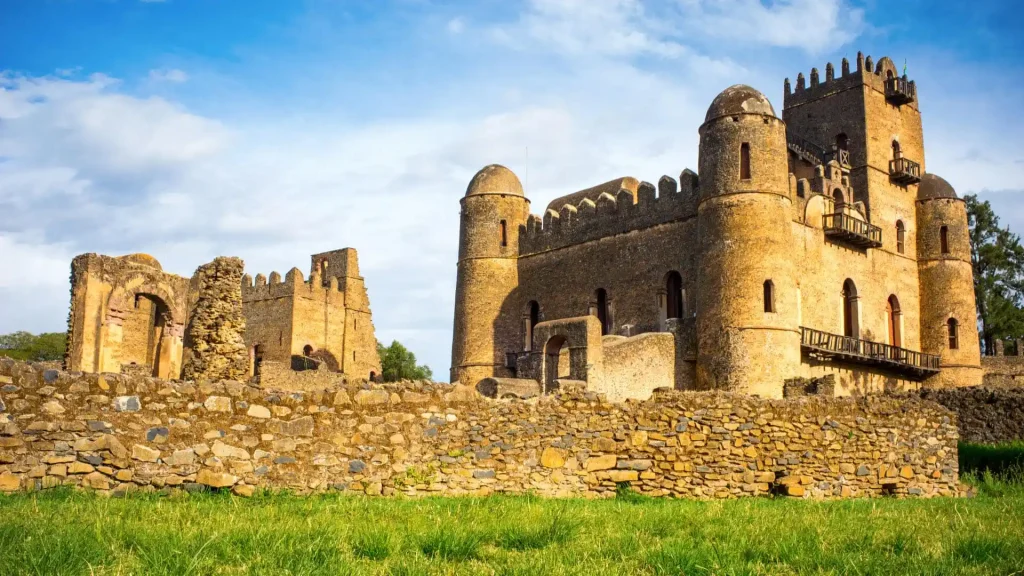
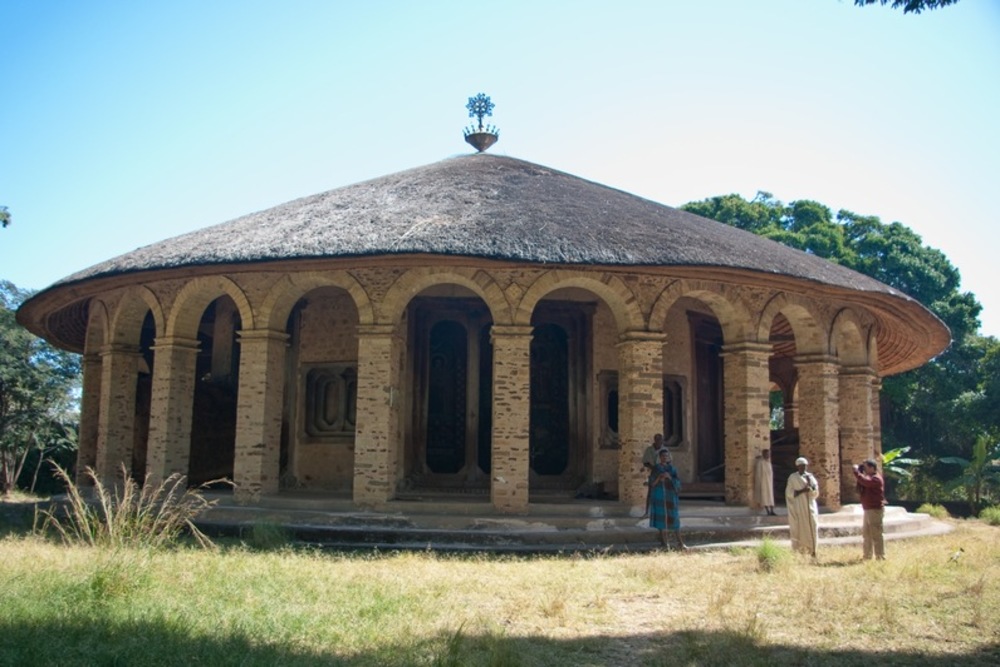
The 17th-century imperial capital of Gondar is a city of stone castles and royal dreams. The centerpiece is the Fasil Ghebbi, a fortified compound of palaces and banqueting halls that reflects a unique blend of Ethiopian, Portuguese, and Indian architectural styles. Don't miss the Debre Berhan Selassie Church, where the famous ceiling of winged angels looks down upon centuries of history. Gondar is a testament to an era of royal grandeur and cultural fusion that is unmatched in Sub-Saharan Africa.

Yeha: The Great Temple of Antiquity

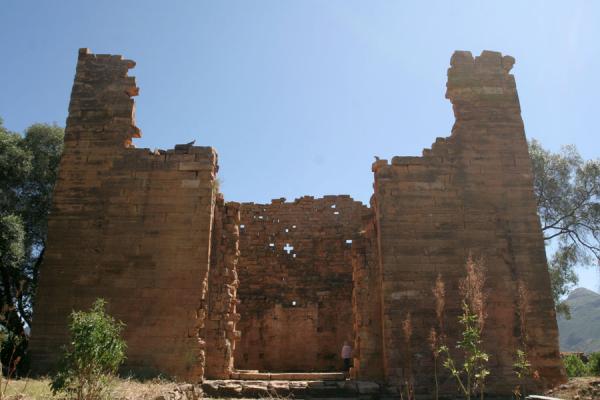
Journey 2,500 years into the past at Yeha, the oldest standing structure in Ethiopia. The Temple of Yeha, built without mortar using perfectly fitted limestone blocks, predates the Axumite Empire and stands as a silent witness to Ethiopia’s Sabean roots. It is a place of profound archaeological mystery, where the whispers of the ancient D’mt Kingdom still echo through the massive stone walls of the Great Tower.

Harar Jugol: The Walled City of Peace

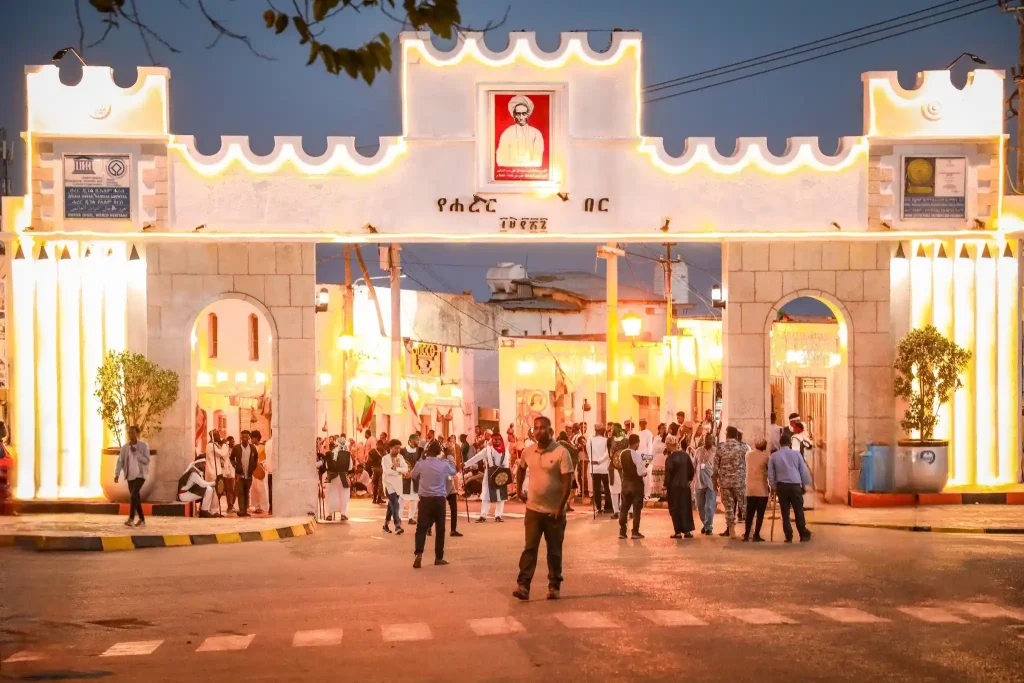
Considered the fourth holiest city in Islam, Harar is a vibrant labyrinth of faith and color. Within the 16th-century walls of Harar Jugol lie over 80 mosques and 100 shrines tucked away in narrow, winding alleyways. Beyond its UNESCO status, Harar is famous for its spirit of harmony and the legendary evening ritual of feeding wild hyenas by hand. It is a living museum where ancient trade routes meet a warm, multi-ethnic soul.

Gheralta: The Sky-High Sanctuaries

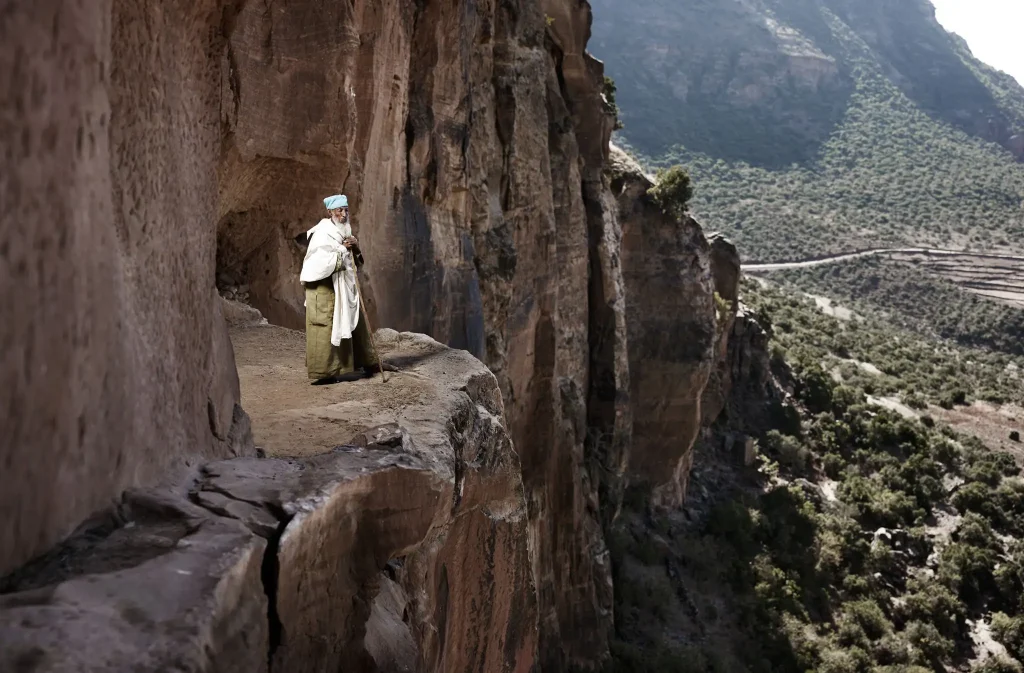
In the heart of the Tigray highlands, the Gheralta Mountains rise like sandstone cathedrals. Carved into the sheer cliff faces are Ethiopia’s most adventurous rock-hewn churches. Reaching sites like Abuna Yemata Guh requires a daring climb, rewarding the brave with breathtaking panoramic views and remarkably preserved 5th-century frescoes. Gheralta is where the earth meets the heavens in a spectacular display of spiritual isolation.

The Island Monasteries of Lake Tana

The emerald waters of Lake Tana, the source of the Blue Nile, guard Ethiopia’s most sacred secrets. Hidden on forested islands and remote peninsulas are centuries-old monasteries that have served as imperial treasuries for generations. Accessible only by boat, these sanctuaries house the golden crowns of emperors and priceless illuminated manuscripts, offering a serene journey into the heart of Orthodox Christian monasticism.